
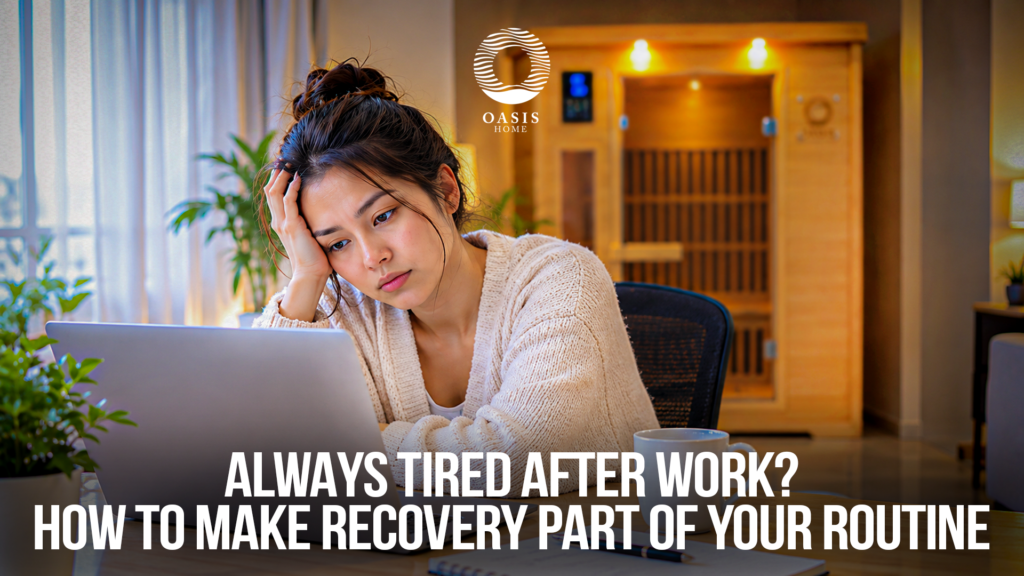
Always Tired After Work? How to Make Recovery Part of Your Routine
After a long day of meetings, deadlines, traffic, and endless notifications, sometimes all you want to do is get home, lie down, and forget about everything for a while.
Even if you spend most of your day sitting at a desk, you can still feel physically exhausted. Your shoulders may feel tight, your back may ache, and your mind may continue racing long after your workday ends.
The problem is that many of us have learned to prioritize getting things done over giving ourselves time to recover.
But feeling better does not always require a complete lifestyle change. Sometimes, it starts with creating small habits that help your body and mind unwind. One way to do this is by making sauna sessions part of your regular wellness routine.
Why Do You Feel So Tired After Work?
Work-related fatigue is not always caused by physical activity. Mental stress, prolonged sitting, poor sleep, and spending hours in front of a screen can all contribute to feeling drained.
When you are constantly focused on tasks and responsibilities, it can be difficult to switch off and relax. You might finish work for the day, but your mind is still thinking about tomorrow’s deadlines or the messages you have yet to answer.
Over time, this can make it harder to rest properly and maintain a healthy balance between work and personal life.
That is why recovery matters, even on days when you have not exercised or done anything physically demanding.
How Sauna Sessions Can Help You Unwind
A sauna offers more than a warm place to sit. It creates an opportunity to step away from daily distractions and give yourself time to relax.
As your body warms up, blood vessels widen and circulation increases. The heat can also help ease muscle tension and promote a feeling of physical relaxation.
Here are a few ways sauna sessions may support your recovery after work.
1. Help Relax Tired, Tense Muscles
Sitting for hours can leave your neck, shoulders, and lower back feeling stiff. Poor posture and limited movement throughout the day can contribute to that uncomfortable feeling.
The warmth of a sauna may help relax tight muscles and ease minor aches and stiffness. This can make it a welcome addition to your evening routine, especially after a long day at your desk.
For even better results, combine your sauna session with gentle stretching and regular movement breaks throughout the day.
2. Create a Moment of Calm After a Busy Day
Sometimes, what you need most after work is a little distance from everything demanding your attention.
A sauna session can provide a quiet space where you can put your phone away, slow down, and focus on yourself for a while.
The warmth and quiet environment may help you feel more relaxed and less mentally overwhelmed. While a sauna cannot eliminate the causes of stress, it can become a meaningful part of a routine that helps you manage it.
Think of it as a small daily reminder that your time outside work matters, too.
3. Support Your Evening Wind-Down Routine
Do you ever feel exhausted at night but still struggle to relax before bed?
Creating a consistent evening routine can help you transition from work mode to rest mode. Activities such as dimming the lights, avoiding work messages, taking a warm shower, and setting aside time for relaxation can all help.
For some people, a sauna session followed by a comfortable cool-down period can be part of that routine.
Research suggests that passive heating and warm bathing may support sleep in some people, although results vary. A sauna should not be treated as a cure for insomnia, and it is important to allow your body to cool down and rehydrate afterward.
4. Make Recovery a Habit, Not a Last Resort
Many people only think about recovery when they are already exhausted, sore, or overwhelmed.
But taking care of yourself works better when it becomes part of your regular routine.
You do not need to spend hours on wellness every day. Even setting aside a short period to unwind can help you become more intentional about how you manage stress and fatigue.
Regular sauna use may complement other healthy habits, including sufficient sleep, balanced nutrition, hydration, and physical activity.
The goal is not to do everything perfectly. It is to find a routine that fits your lifestyle and feels sustainable.
Infrared Sauna: A Convenient Way to Relax at Home
For people with busy schedules, visiting a spa or wellness center after work is not always practical.
An infrared sauna offers another option. Instead of relying primarily on heating the surrounding air, it uses infrared energy to warm the body directly. Many people find the experience comfortable and relaxing.
Having an infrared sauna at home also makes it easier to build a personal wellness routine around your schedule, whether you prefer to unwind after work or set aside time during the weekend.
Before purchasing a sauna, consider your available space, electrical requirements, preferred sauna type, and how often you realistically expect to use it.
The best wellness investment is one that fits your needs and encourages habits you can maintain.
How to Build a Simple After-Work Recovery Routine
You do not need an elaborate schedule to start taking better care of yourself. Try keeping your routine simple.
Step 1: Create a clear boundary between work and personal time.
Finish your essential tasks, silence unnecessary notifications, and give yourself permission to stop thinking about work for a while.
Step 2: Move your body.
Take a short walk or do some gentle stretching to break up long periods of sitting.
Step 3: Make time for relaxation.
If you enjoy sauna therapy, follow the manufacturer’s instructions and start with a short, comfortable session. Beginners should gradually adjust to the heat rather than pushing through discomfort.
Step 4: Rehydrate and cool down.
Drink water before and after your session, allow your body to cool down gradually, and avoid using the sauna when you are dehydrated or feeling unwell.
Step 5: Protect your sleep.
Keep a consistent bedtime, reduce late-night screen time, and give yourself enough time to rest.
A sauna is not a replacement for sleep, exercise, or medical care. It works best as one part of a balanced approach to wellness.
People who are pregnant or have cardiovascular conditions, blood pressure concerns, or other medical conditions should consult a healthcare professional before using a sauna. Leave immediately if you feel dizzy, nauseated, faint, or unwell.
The Takeaway
Feeling tired after work has become so common that many people simply accept it as part of everyday life. But constant exhaustion should not be something you ignore.
Your body needs more than productivity. It needs movement, rest, quality sleep, and opportunities to recover from daily stress.
Making sauna sessions part of your wellness routine can be one way to create that space for yourself. Whether you want to relax tense muscles, unwind after a demanding day, or establish a more intentional evening routine, the experience can help make self-care easier to prioritize.
At Oasis Home, we believe wellness should fit naturally into your everyday life. With a home sauna, you can create your own personal space to slow down, recharge, and make time for yourself.
Because after everything you give throughout the day, your body deserves time to recover, too.